


Seaplane Travel Represents the True Meaning of Luxury
“Flying to Islands – Always to Islands”
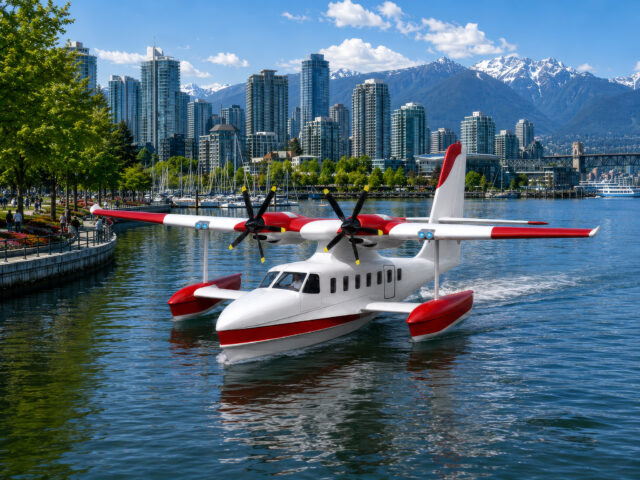
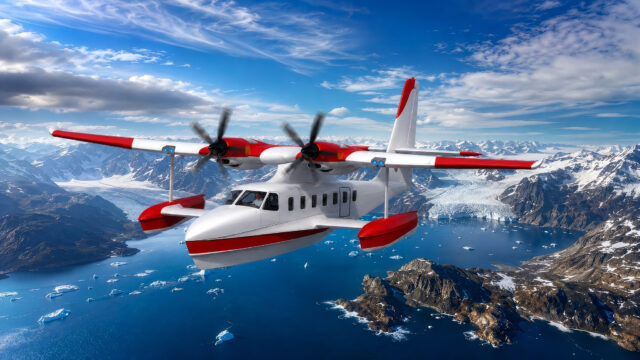
In an age where private jets and mega-cruise ships are marketed as the ultimate in exclusive travel, the real luxury lies in places you cannot reach by runway or pier. Ariara Island Resort in Linapacan, Philippines, exemplifies this paradox. It is a destination defined not by what has been built but by what has been left untouched. Only an amphibious seaplane can bridge the shimmering gap between air and sea without scarring the shoreline. Seaplanes represent a silent passage from sky to water that lands you directly in nature’s embrace. This is not merely a flight but an act of preservation: an arrival without intrusion, a return to the elemental romance of travel when the journey itself is as unforgettable as the place you are going.
Ariara Island Resort, Linapacan, Philippines
Flying to a remote tropical island is the epitome of romance and wonder. It is about our ability to navigate through the empty sky and bring you to some place isolated and primitive, where you can experience nature’s wondrous ability to nurture. This is something that cannot happen airport to airport. This is about the seaplane’s amphibious ability to connect air-to-sea and sea-to-air as naturally as the setting sun meets the ocean’s horizon and rises again from the waters the next morning.

Flying is the dream where you hover over the world without weight or fear. You see clearly and realize everything below is small, insignificant and far away. You drift in the winds and soar along the pathways of light, not worrying about the journey but looking forward to the destination.

A tropical island, your destination, is like a lingering memory from your childhood: sensations of a warm summer afternoon with yellow sun rays shining down between green leaves; stirring breezes brushing your cheek like a cat’s silky tail; cool lush grass, damp with dew, cushioning your barefoot step; the buzzing of honey bees, gathering pollen in the field, gently humming against your ear drum; the fragrance of wild roses released by the brush of the bee’s wings or your fingertips, and your mother’s cotton yellow sundress glowing around her silhouetted against the afternoon sun, with her long fine hair back-lit and shining brilliantly.

Like a shadow, these fragmented memories may be real, but they cannot be touched or scrutinized, cannot be held or gathered, but can only be experienced as you lie back under a tree’s shade and drift off to sleep beneath the summer sky. And when you least expect it, back in your day-to-day life, the memory lights up, a soft, warm glow like a burning ember buried in the ashes of your campfire, gently exposed to the fresh air of the dark night. Close your eyes, relax and find your childhood memories still intact and real as if they all happened yesterday.

Your memory wall, after a visit to a tropical island, should be a fine art gallery of images curated to purposely rekindle a lingering feeling of well-being, ease, and comfort that does not diminish with the passing of time. You should feel rested and energized, alive and alert, carefree and caring. In this moment, lying beneath the shade of a tree or stirring the ashes over the glowing embers of your memory, time stands still.

In recording the memory of a tropical island, we would substitute the cool grass beneath your feet with warm, golden, soft sand between your toes and transpose the image of your nurturing mother with a young island girl bringing you a green mango and cucumber juice in a tall, vibrant glass. Sorry – no drink umbrella in this memory. This is not the harsh, brash urgency of a Caribbean cruise – this is the quiet passion of an Ariara Island moment.

After experiencing Ariara Island, the seaplane journey becomes a passageway to other hidden corners of the earth, destinations so isolated that their names are whispered like secrets among seasoned travellers and pilots.
Into the Heart of Fire: Lake Segara Anak, Rinjani Volcano, Lombok
Soaring above Lombok’s verdant slopes, the world suddenly opens into a ring of jagged peaks: Mount Rinjani, a sleeping titan rising over 3,700 meters. As your amphibious aircraft banks gently, the caldera’s interior reveals a turquoise jewel, the sacred Lake Segara Anak, shimmering like liquid sapphire amid sulphur-streaked cliffs of the still-smoking daughter cone, which rises majestically out of the depths of the lake. Descending through the cool mountain mist, the floats touch the lake’s glassy surface with a hush, ripples spreading outward like ancient incantations. Here, high above the ocean yet afloat on a volcanic lake, you are at the confluence of sky, mountain, and water, transported to a place few have ever touched. The tension of knowing that this volcano erupted only a few short years ago and could erupt with ash and fire again at any time adds a heightened sense of anticipation to the cool, crisp air.

Walking with Dragons: Komodo Island
The seaplane banks low over the russet hills and indigo bays of Komodo National Park, a world heritage site suspended between myth and reality. You glide in on a morning tide and beach the aircraft’s floats on a crescent of golden sand.

The engine falls silent; only the call of a Red-cheeked Parrot echoes out from the forest. Scavenging along the long, wide beaches, great Komodo Dragons, prehistoric and deliberate, lumber past with an indifference earned over millennia. Just a drop of their toxic saliva smeared on an open cut would lead to a slow, painful death. To step out of your seaplane onto this otherworldly, ancient island is to experience what early explorers felt when they were able to inscribe blank maps with “Here be Dragons” to warn others of the legendary creatures stalking the shores of this very island.

Amanwana Retreat: Moyo Island, Indonesia
Far off the beaten marine routes of the Flores Sea lies Moyo Island, its coastline a brushstroke of mangroves, coral reefs, and dense jungle. As the seaplane glides toward Amanwana Resort’s sheltered bay, the water shifts from cobalt to aquamarine to a glass-clear shallows where coral heads rise like submerged cathedrals. Landing here is a whisper, not an intrusion. The floats skim the reef’s edge and settle in tranquil waters, and you disembark into a world of velvet nights, star-pricked skies, with the distant song of Scaly-crowned Honeyeaters echoing from the forest.

Amanwana is distinguished by its commitment to refined, sustainable luxury, thoughtfully provided with respect for the island’s diverse rainforest wildlife. A guided rainforest walk leads to Moyo Island’s Matu Jitu Falls, a series of cascading limestone pools located at the island’s core, deep within the tropical forest. The pools are spring-fed, offering exceptionally pure water suitable for drinking and providing an ideal location for a refreshing swim to escape the heat.

The Ashen Circle: Lake Niuafo‘ou, Tonga
Few have ever seen the isolated island of Niuafo‘ou, a volcanic ring adrift in the northern reaches of Tonga’s expansive marine territory. Originally called “Tin Can Island” by mariners because mail was once floated ashore in biscuit tins. There are no harbours. As your seaplane breaks the clouds, the volcanic island’s vast caldera appears, an enormous mirror of water enclosed by black cliffs and rain forest. The seaplane pilot circles the ancient freshwater lake that fills the island’s inland caldera, looking for rocky outcrops below its reflective surface. Descending into this natural amphitheatre feels like slipping through a crack in time. The floats skim the water, ripping waves across the volcanic lake. The engine goes quiet, enveloping you in a silence unbroken since the islands’ fiery birth.

The islanders, living in one of the most remote communities in the South Pacific, offer warm greetings and hospitality. Guests are presented with an array of fresh, local fruits, including papaya, bananas, limes, coconuts, and breadfruit, accompanied by freshly prepared seafood, such as crabs, lobsters, and red snapper.

Pearls and Predators: Bugsuk Island, Southern Palawan
The blue skies of Palawan dissolve into luminous lagoons as you near Bugsuk Island, home to the fabled Jewelmer pearl farm. From above, the coastline is a ribbon of flawless white sand, curving into emerald mangrove swamps where saltwater crocodiles glide like shadows. The seaplane circles wide, respecting the delicate ecosystem, then lands near a sheltering sandbar where water is as clear as liquid glass.

Here, the precious golden South Sea pearls are nurtured as gently as the environment itself. You step from the aircraft into a world where beauty and ferocity co-exist, a testament to nature’s unaltered balance.

The locals invite you, as their special guest, to be the first to try a slice of crackling, succulent, crispy pork skin, still dripping with hot fat after being roasted over the open fire pit. A giant saltwater crocodile, tied to the nearby coconut tree, roars his displeasure at being detained, if only temporarily. They will release him to the other side of the island in time.

The Pink Horizon: Crystal Sand Island Resort, Northern Samar
North of Samar, the sea deepens to indigo, and pale reefs trace the shape of hidden islands. Crystal Sand Island Resort is a secret even among sailors: its Pink Beach glows with coral-tinted sand that blushes at sunset. The seaplane arcs over the shallows, floats skimming the pink-laced surf before sliding onto the pastel shore.

No roads, no crowds—only handcrafted wooden cabanas, palm shadows, and the scent of sea roses drifting inland. To arrive here by seaplane is to arrive without scars, no pier, no jetty, no new wound upon the island’s body, just the soft footprint of floats that leave no trace when the tide washes in.


Seaplanes: Flying to Untouched Worlds
At each of these destinations, whether a volcanic lake, a dragon-haunted shore, or a pearl-studded atoll, the amphibious aircraft is not just a means of transport but a promise. It carries you beyond infrastructure, beyond intrusion, to places where roads end and legends begin. Its ability to alight on water and depart without a runway allows these pristine locations to remain wild, unscarred, and whole. Done thoughtfully, seaplane travel becomes not an imposition but a partnership with nature, offering access without exploitation, an elegant union of flight and water that leaves only memories and ripples in its wake.

Note: I was the first seaplane pilot to land in all of these locations, except possibly for Moyo Island.
Flying to Islands is a poem in John’s book of poetry titled Woodsmoke & Perfume.
Flying to Islands is also the title of John’s Album in progress.
Click here to hear the musical versions of Flying to Islands.
Flying to Islands art by Larry Nadolsky