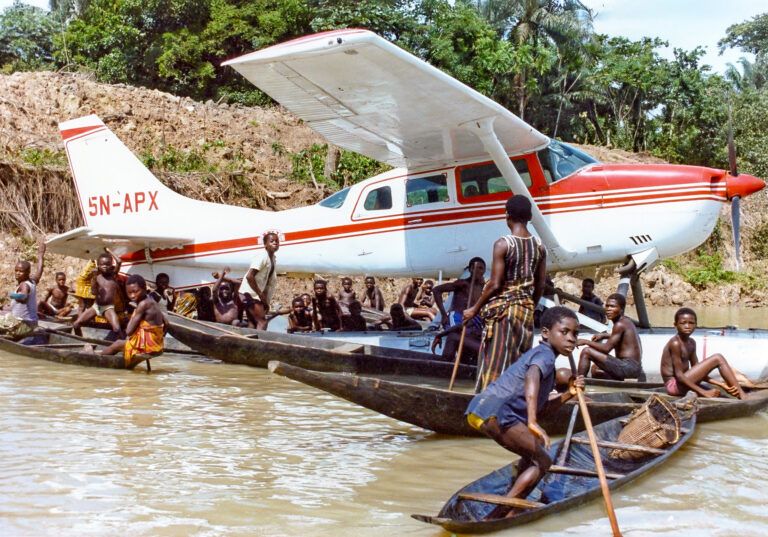

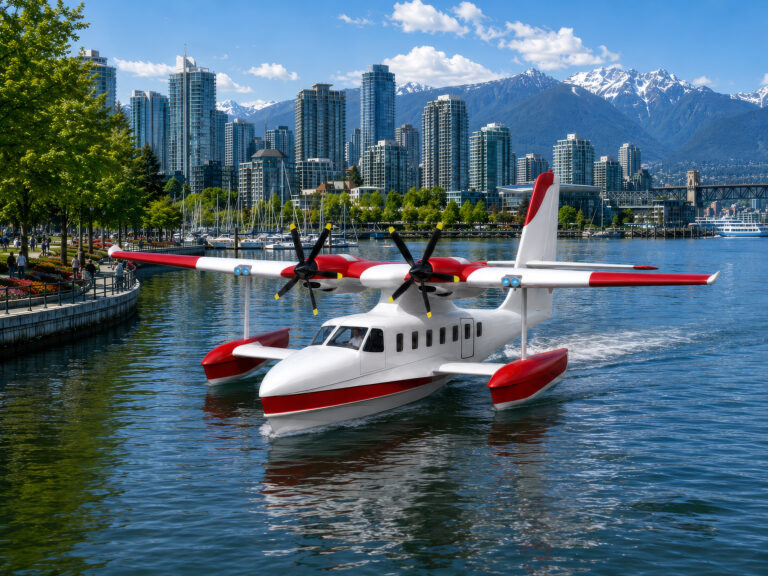
Why the PT6 Should Power Canada’s Next Amphibious Aircraft

And How This Defines a New Aerospace Future for Winnipeg General aviation manufacturers are currently presented with a deceptively simple choice. They can continue using turbine engines, or they can demonstrate their environmental credentials by adopting electric, hydrogen or hybrid-electric propulsion. For a new amphibious aircraft manufacturer, the decision may look like a black-and-white...

Your Year of Reckoning

A letter to my son on his 17th birthday – and to any young person, or parent, standing at that same line Happy Birthday! (2006) For some reason, the thought of you turning 17 is scarier to me than when you turned 16. At 16, you gained some independence by getting your driver’s license...

Jet Fuelling Canada’s Future – Let’s Get the Mix Right!

Remote Regions, Coastal Waters, Sustainable Aviation Fuel, Nuclear Energy, Amphibious Aircraft, Turbines, and Arctic Sovereignty. Introduction: Why SAF Matters Most at the Edge of the Map When most people think about sustainable aviation fuel, they picture wide-body airliners taxiing away from gleaming terminals at Heathrow or Toronto. But the decarbonization of Canadian aviation is...

Preserving Nature’s Runways: Fly Clean, Fly Quiet and Explore More

The Seaplane’s Sustainability Promise: A Case for the Amphibious Cessna C208B-EX As global eco-tourism expands into remote and environmentally sensitive regions, the aviation industry faces growing scrutiny over its ecological footprint. Among the solutions emerging from this evolving dialogue is the Cessna C208B-EX Caravan equipped with Wipline 8750 amphibious floats. Initially conceived in the...

Deep Dive Reading: Who Needs Alberta’s Heavy Oil, and Why?

Canada’s Energy Independence – Reducing Reliance on the U.S. Market This post delves into the global demand for Alberta’s heavy oil and the strategic importance of diversifying Canada’s energy markets. It highlights how various countries, including the United States, Europe, China, India, Japan, and South Korea, have refineries capable of processing heavy crude oil...

Building Canada’s Energy Reality – A Vision Beyond the Pipe Dream!

Pipeline Route Options within Canadian Borders Canada has explored the possibility of building a west-to-east oil pipeline entirely on Canadian soil. The most prominent proposal was Energy East, a 4,500+ km pipeline from Alberta to New Brunswick. As shown in the map below, it would have linked Alberta’s oil sands (Hardisty) to the Atlantic...